📌 This article is also available in Korean. 🇰🇷 [Read in Korean]
We’d like to introduce you to the most beautiful walking tour route that lets you fully experience both day and night in Gyeongju. From the subtle charm of traditional hanok houses to the dazzling night views of Silla, we’ve carefully selected only the must-see highlights that you absolutely can’t miss on your trip to Gyeongju.
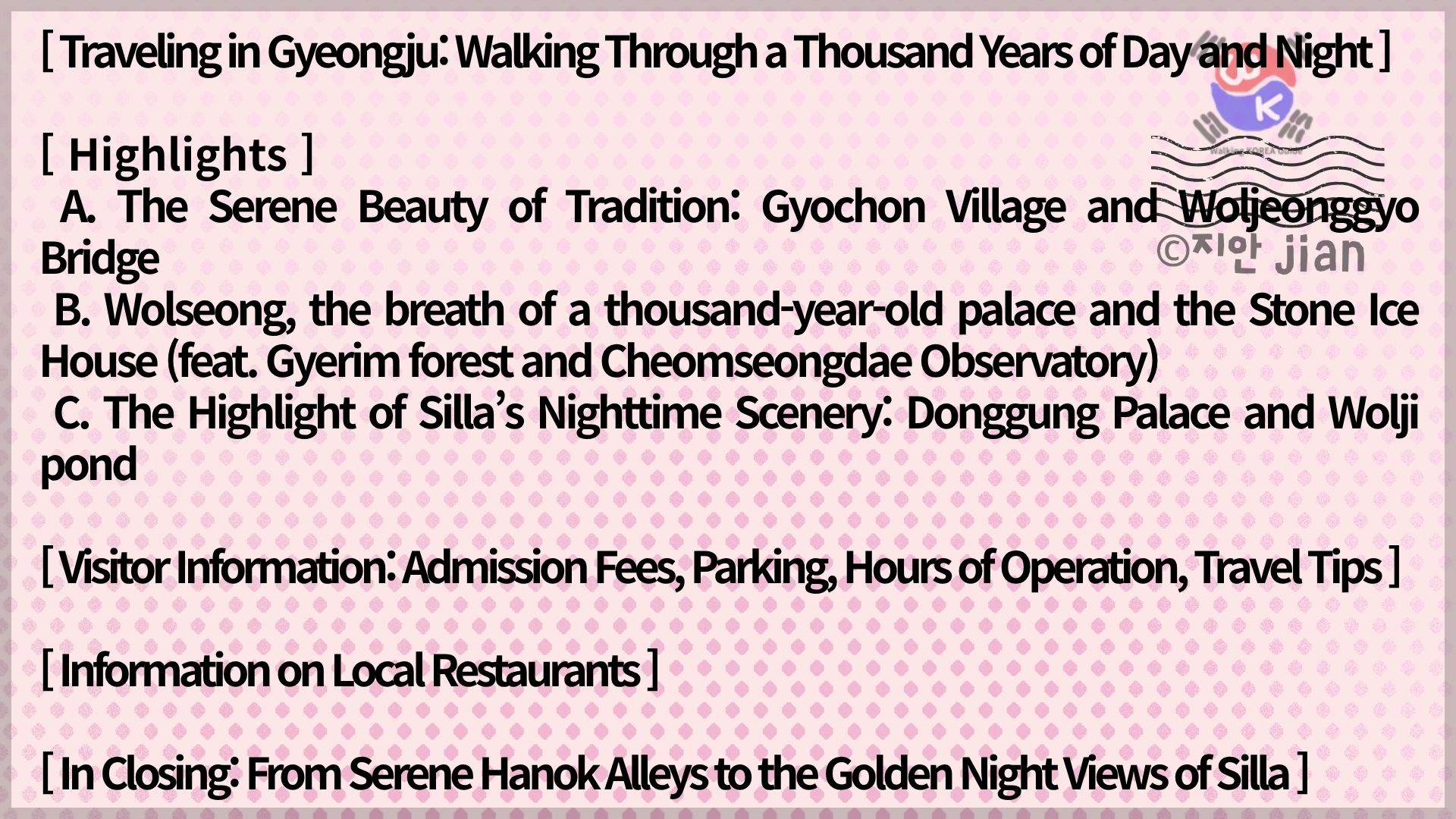
[ Traveling in Gyeongju ] Walking Through a Thousand Years of Day and Night

Since I’ll be getting around on foot without a car, I plan to start at Gyochon Village and walk in the following order: Woljeonggyo Bridge, Gyeongju Wolseong, Cheomseongdae, the caves, and Wolji Pond. Please plan your walking route in advance based on whether you have a car and where you’ll park.
If you walk along the road from the main gate of Daereungwon toward Namcheon, you’ll see the entrance to Gyochon Village.
[ Highlights ]
A. The Serene Beauty of Tradition: Gyochon Village and Woljeong Bridge
1)Gyochon Traditional Village (경주교촌마을)

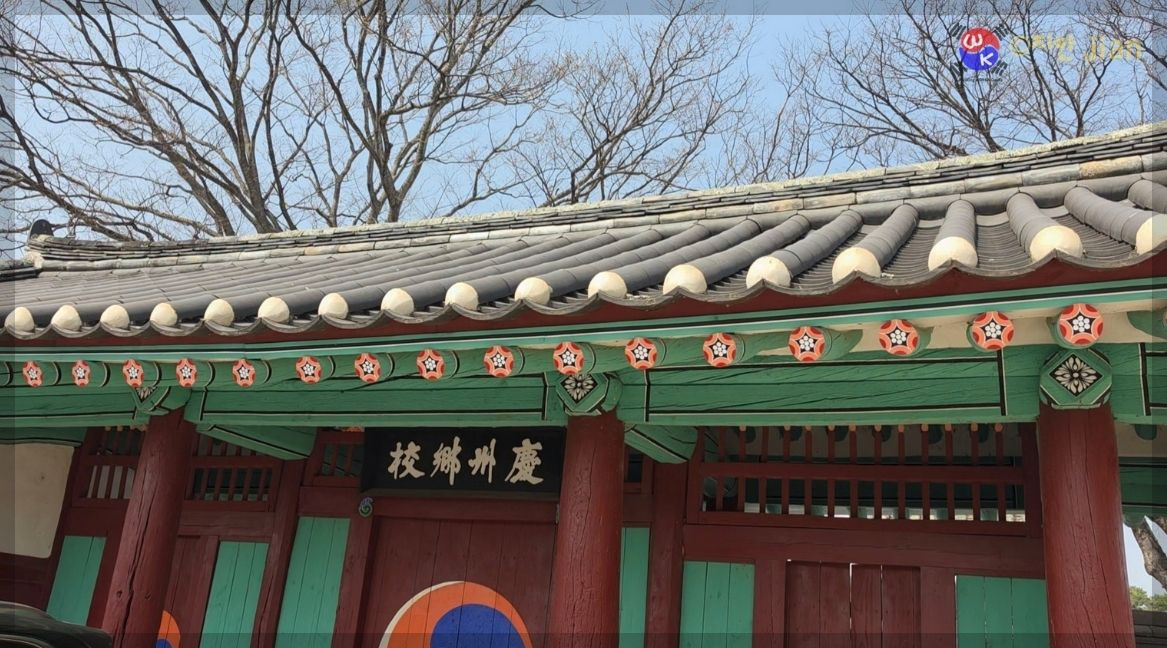
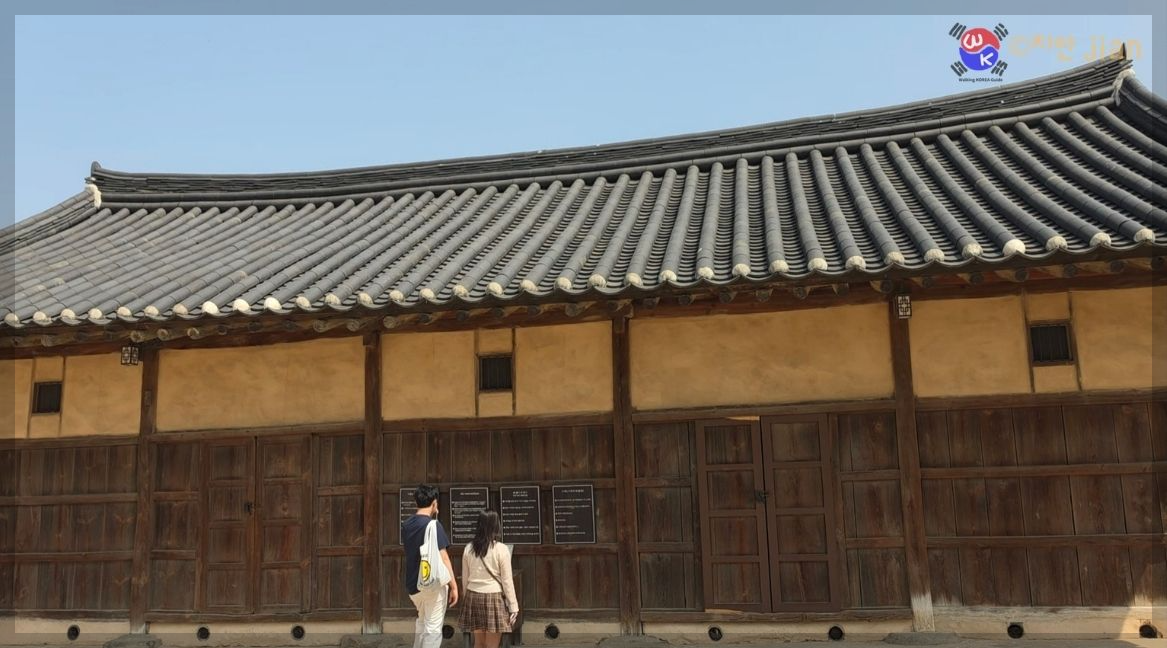
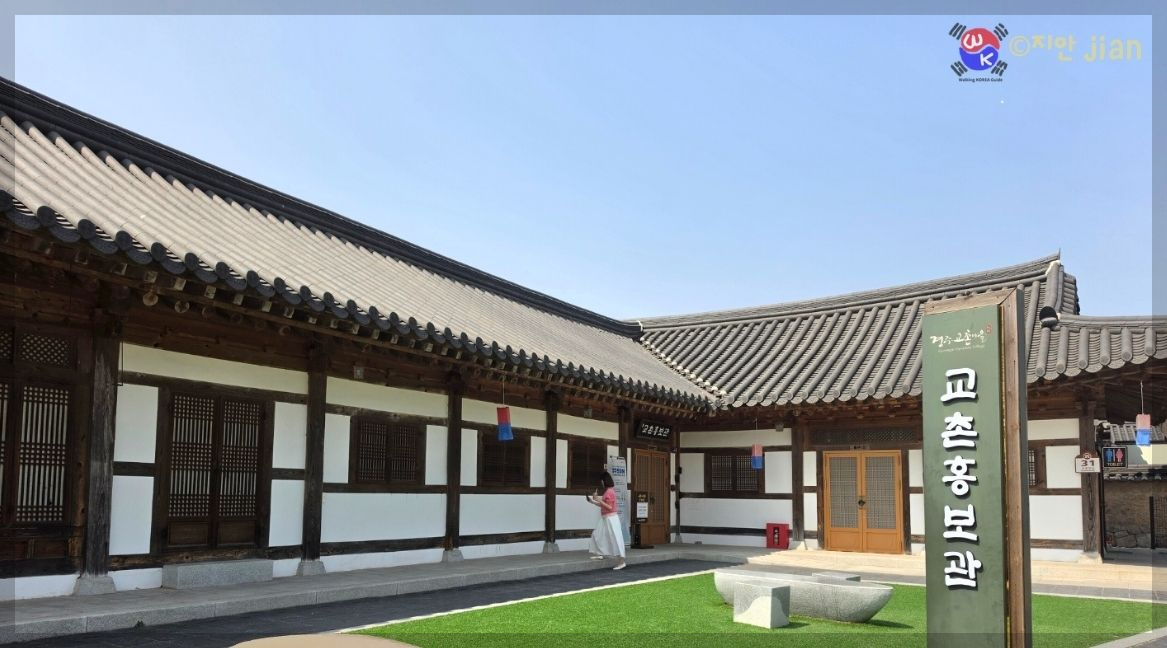
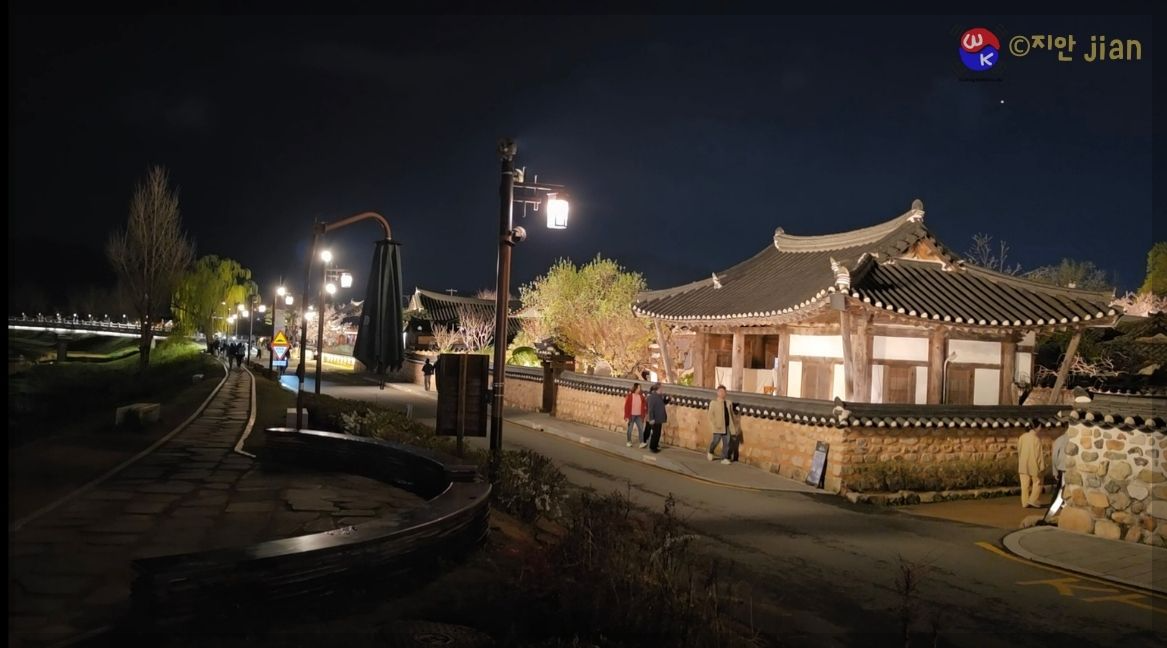
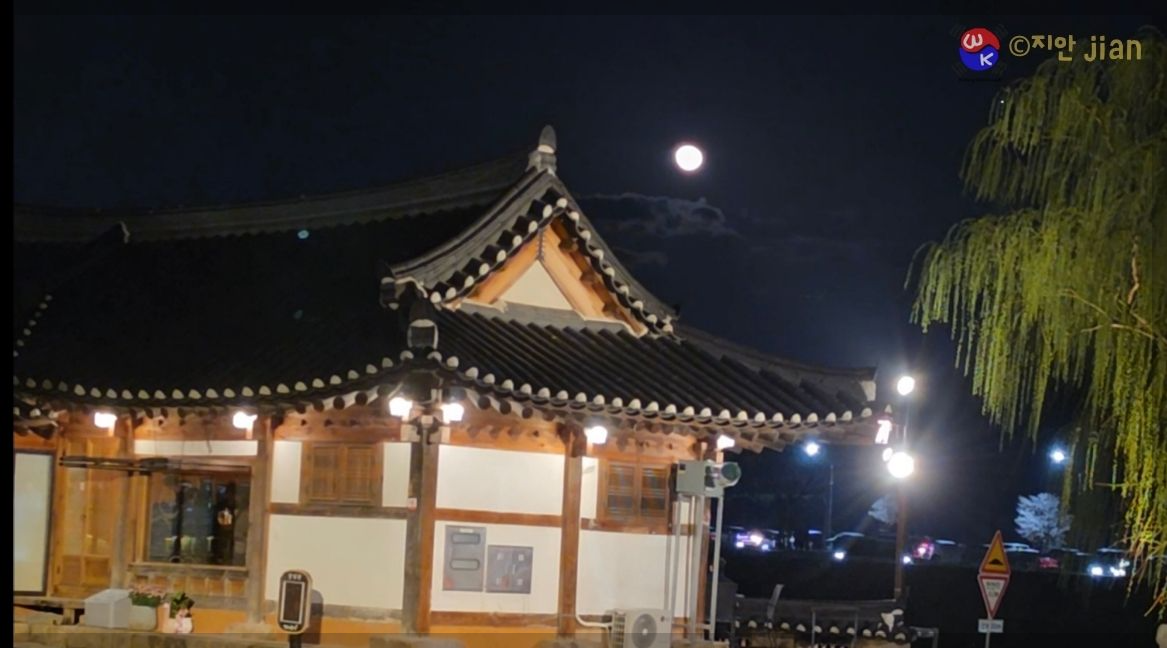
- Gyeongju Gyochon Traditional Village _ 경주교촌마을
- Gyochon Village is a historic cradle of education—the site of the National Academy (Gukhak) during the reign of King Sinmun of Silla and the location of a local Confucian school (hyanggyo) during the Joseon Dynasty.
- Not only in Gyeongju but in every region, neighborhoods that once housed a hyanggyo (confucian school) are called “Gyochon,” “Gyodong,” or “Gyori.” Familiar names such as “Gyochon Chicken” and Gyeongju’s famous “Gyori Kimbap” are all time-honored names derived from these place names.
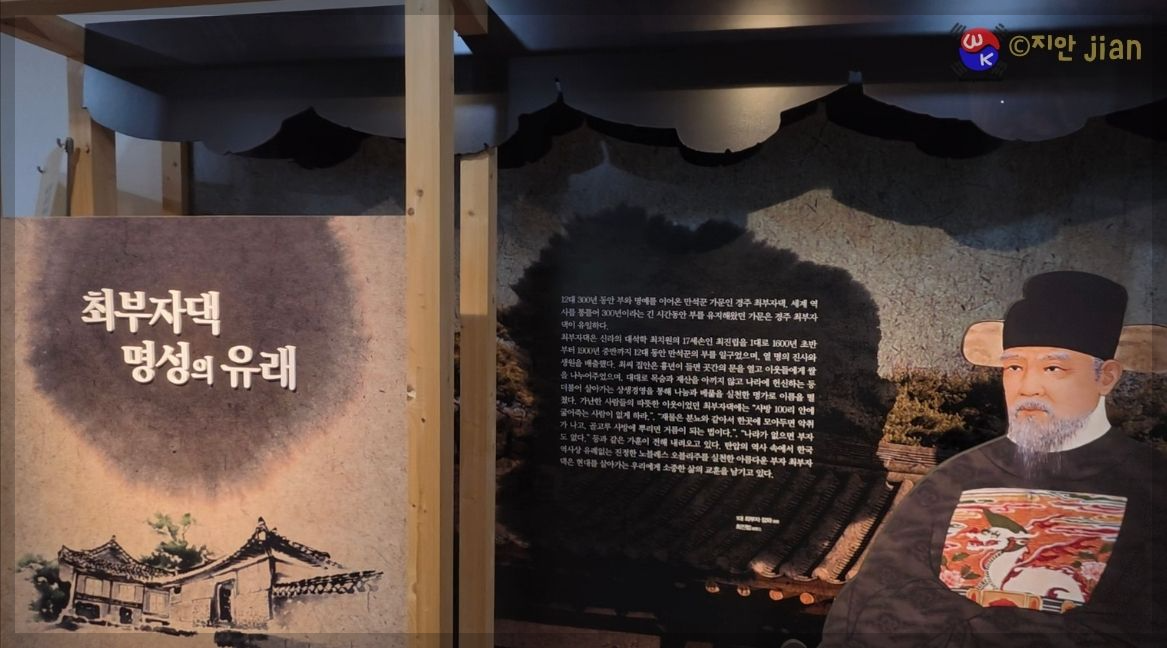
- Above all, this place is famous for being home to the “Choi Family Mansion,” where the family's wealth was preserved for 12 generations.
- A Symbol of Noblesse Oblige: The Choi Family—The Choi family is a lineage that practiced true noblesse oblige, guided by the family motto: “Ensure that no one within a 100-ri radius starves to death.” The last head of the family, Mr. Choi Jun, donated his entire fortune to the independence movement, and after liberation, he founded Yeungnam University in Daegu to foster talent. Along with the Lee Hoe-young family—who sold their assets and headed to Manchuria following the Annexation Treaty of 1910—the Choi family is regarded as one of the most respected and distinguished families in the history of South Korea.
- Visitor Tip: Be sure to stop by the “Gyochon Information Center” located within the village, where you can learn about the history of Gyochon Village and the Choi Family Mansion through helpful visual materials. If you have children, we highly recommend including it in your itinerary.
- From Gyeongju Gyodong Beopju—a National Intangible Cultural Heritage—to a variety of traditional craft workshops, as well as local eateries with long-standing traditions and cozy hanok cafes tucked away throughout the area, all add to the joy of exploring on foot.
- As you stroll leisurely among the low earthen walls and tiled roofs that line every alley, your mind naturally calms down. You’ll lose track of time admiring the seasonal flowers blooming beyond the walls, but when night falls, a completely different charm begins to unfold at the far end of this tranquil village.
2)Woljeonggyo Bridge(월정교)
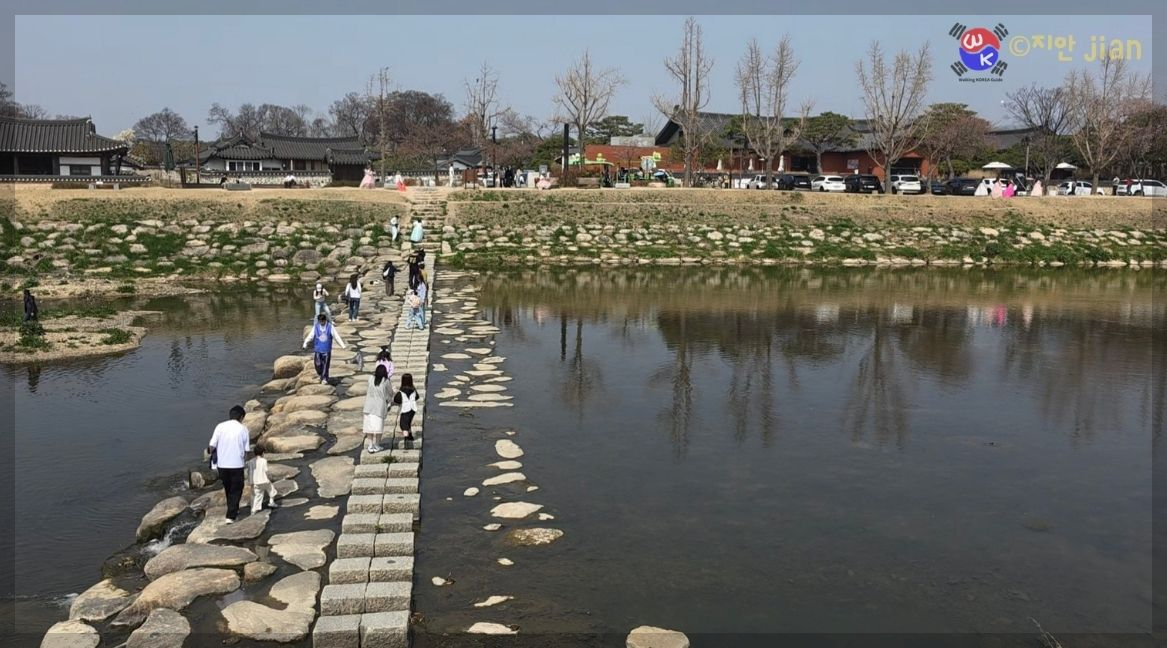
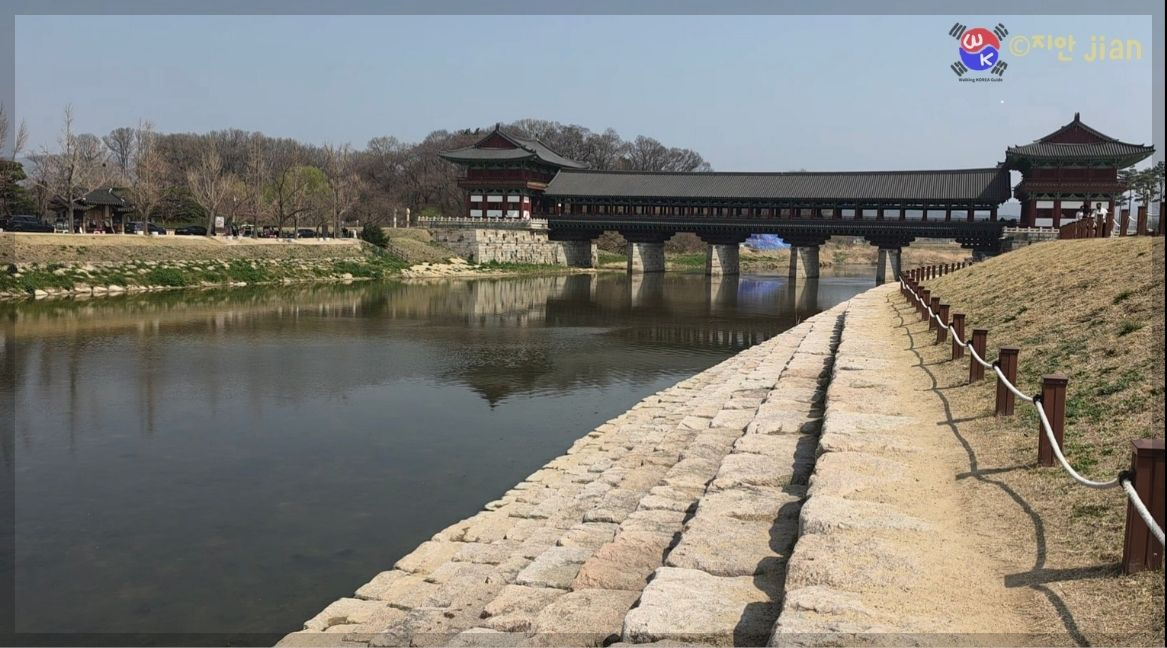
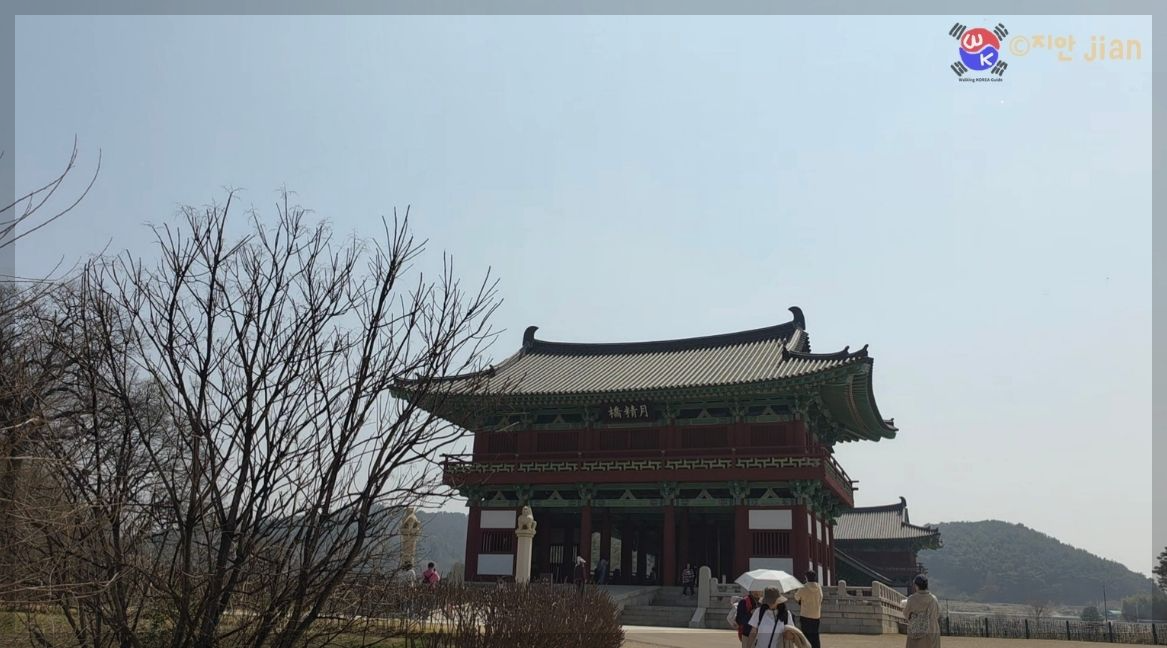
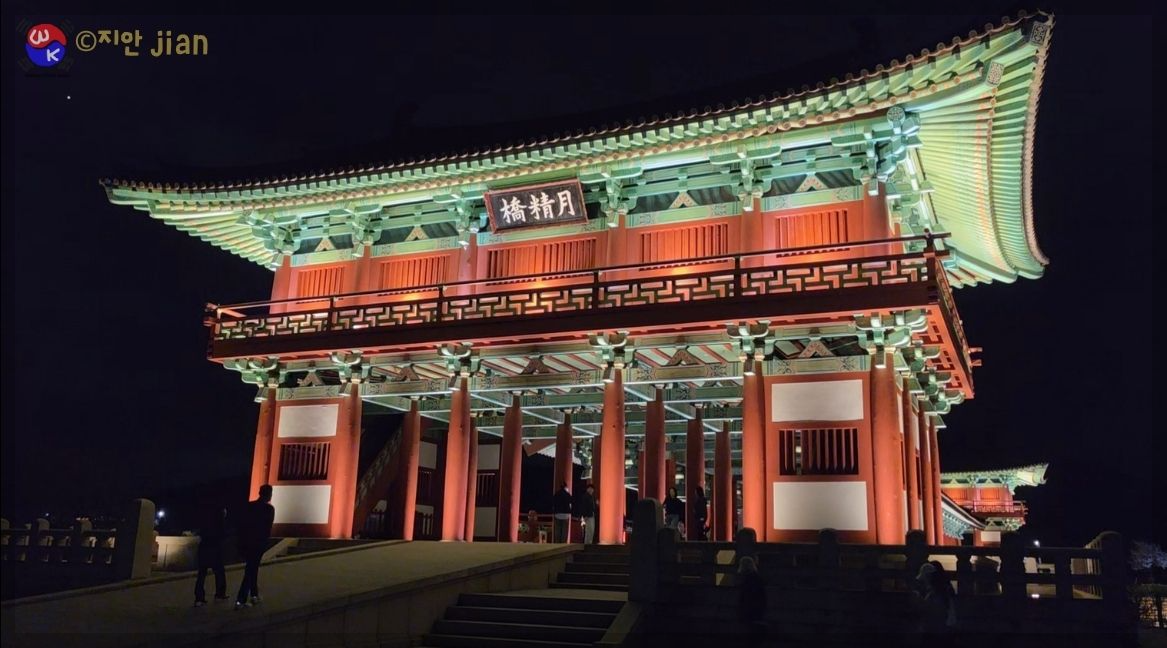
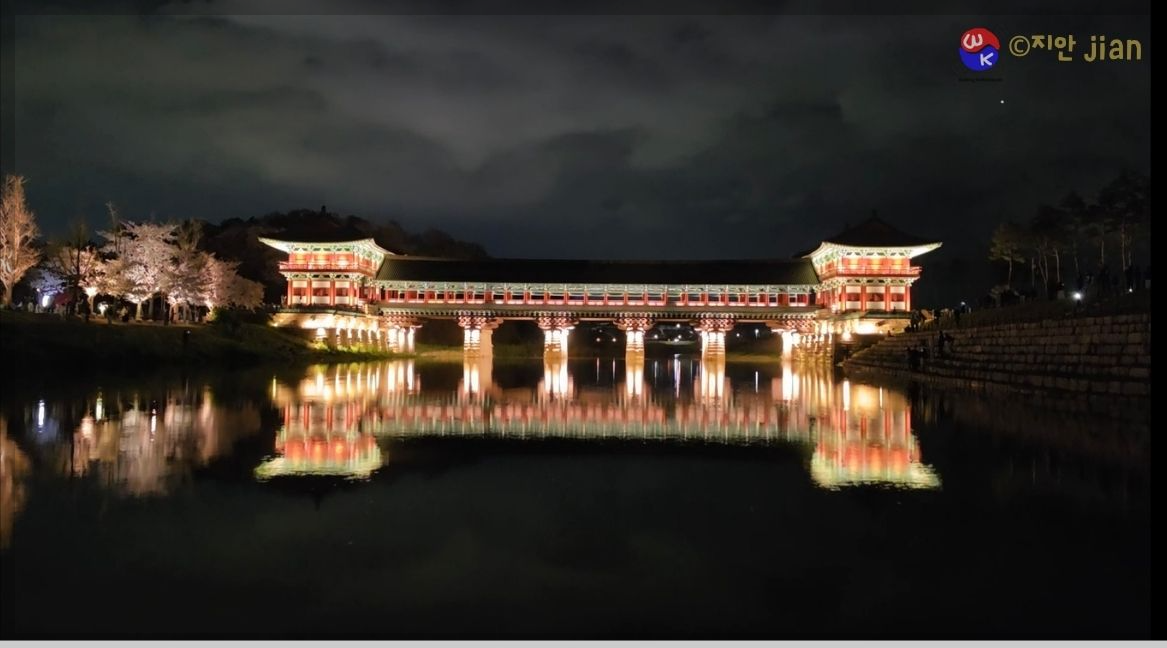
- Woljeonggyo Bridge _ 월정교
- Woljeong Bridge, which you naturally come across at the end of Gyochon Village, is undoubtedly the highlight of this walking tour.
- The Romance of Great Master Wonhyo and Princess Yoseok—The footsteps of Great Master Wonhyo, a brilliant philosopher who chose to humble himself for love, and the fluttering heart of Princess Yoseok, who awaited him, seem to still flow in the waters of the Namcheon River beneath Woljeong Bridge.
- This massive wooden bridge once connected Wolseong, the Silla royal palace, with the southern region. After being lost during the Joseon Dynasty—leaving only its foundation—it was magnificently restored in 2018 based on historical research to become the largest wooden bridge in the country.
- The majestic gate towers erected at both ends of the bridge and its unique covered colonnade structure immediately impress visitors with their overwhelming scale.
*Colonnade? A term referring to a long passageway composed of columns and a roof; unlike a typical hallway, this architectural form features an open exterior supported by columns or railings rather than walls
*Gatehouse? A multi-story structure built atop a city gate, the main gate of a palace, or the entrance to a government office. - If you go up to the second floor of the gatehouse, you’ll find an exhibition hall showcasing the restoration process of Woljeonggyo Bridge, the artifacts unearthed there, and the history of Silla bridge architecture—I highly recommend stopping by.
- The true charm of Woljeonggyo Bridge lies in the golden reflection on the Namcheon (Muncheon) River flowing beneath it. The bridge’s red pillars and eaves are perfectly mirrored on the gently rippling water, creating the illusion that there is another underwater palace beneath the surface.
📸 Recommended Photo Spot: On the Namcheon River in front of Woljeonggyo Bridge, there is a wide stepping-stone path that crosses the river. If you stand about halfway along this path and take a photo looking directly at Woljeonggyo Bridge, you can capture a perfectly symmetrical reflection of the night view on the water.
⚠ Safety Warning: The area is brightly lit at night, so it’s much darker underfoot than you might expect. The current in the Namcheon River is quite fast and the sound of the water is loud, so there is a risk of losing your footing or dropping your cell phone into the water. Please be sure to watch your step and move slowly.
B. The Spirit of a Thousand-Year-Old Palace: Wolseong, Seokbinggo, Gyerim, and Cheomseongdae(월성, 석빙고, 계림, 첨성대)
1)Wolseong Palace Site(경주월성)
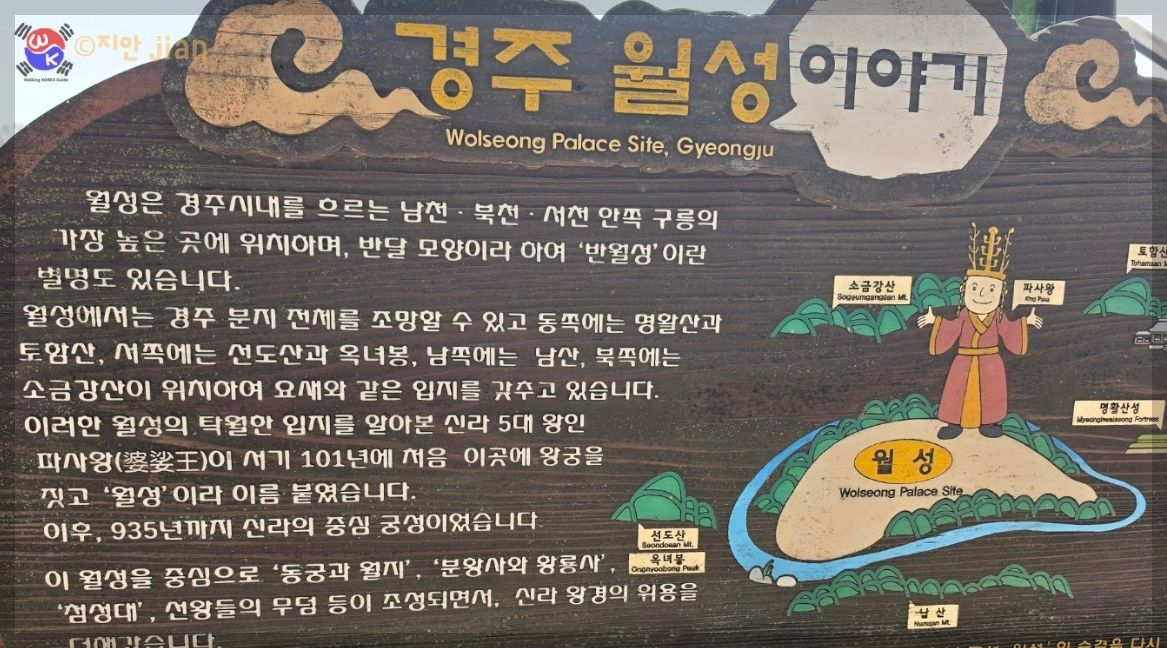
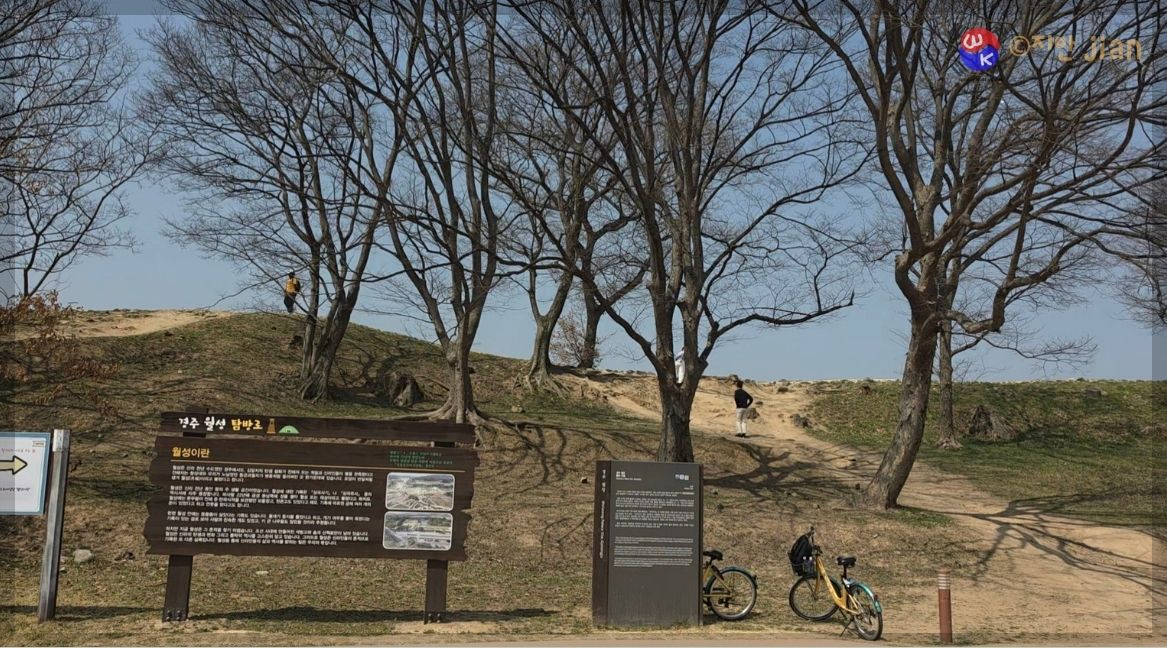
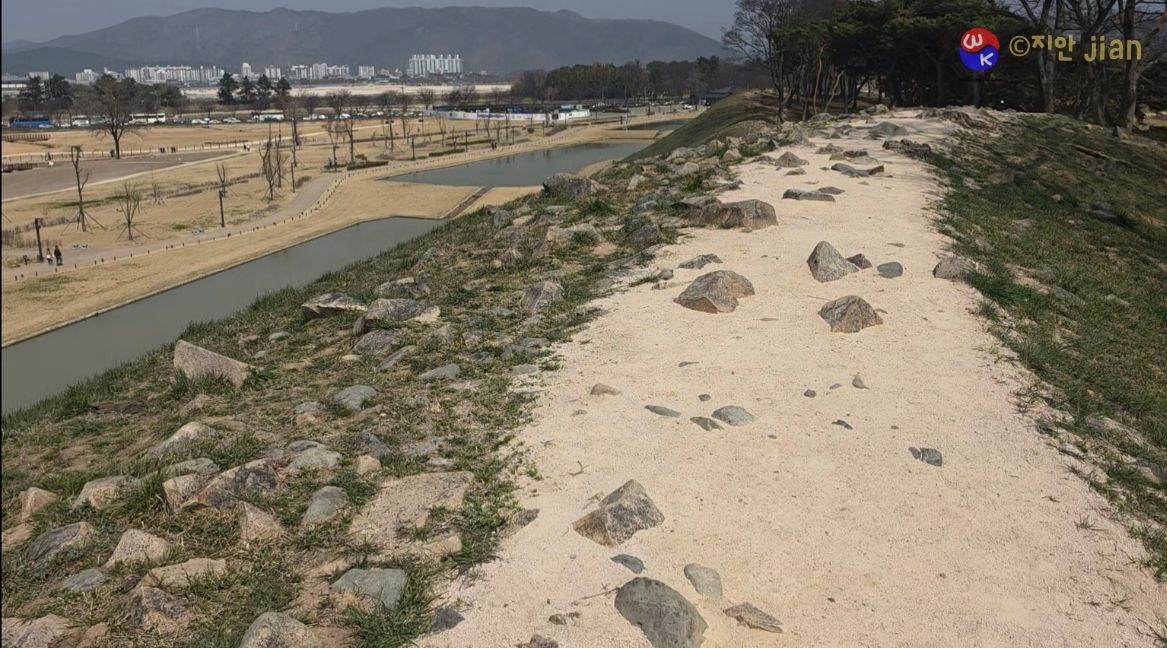
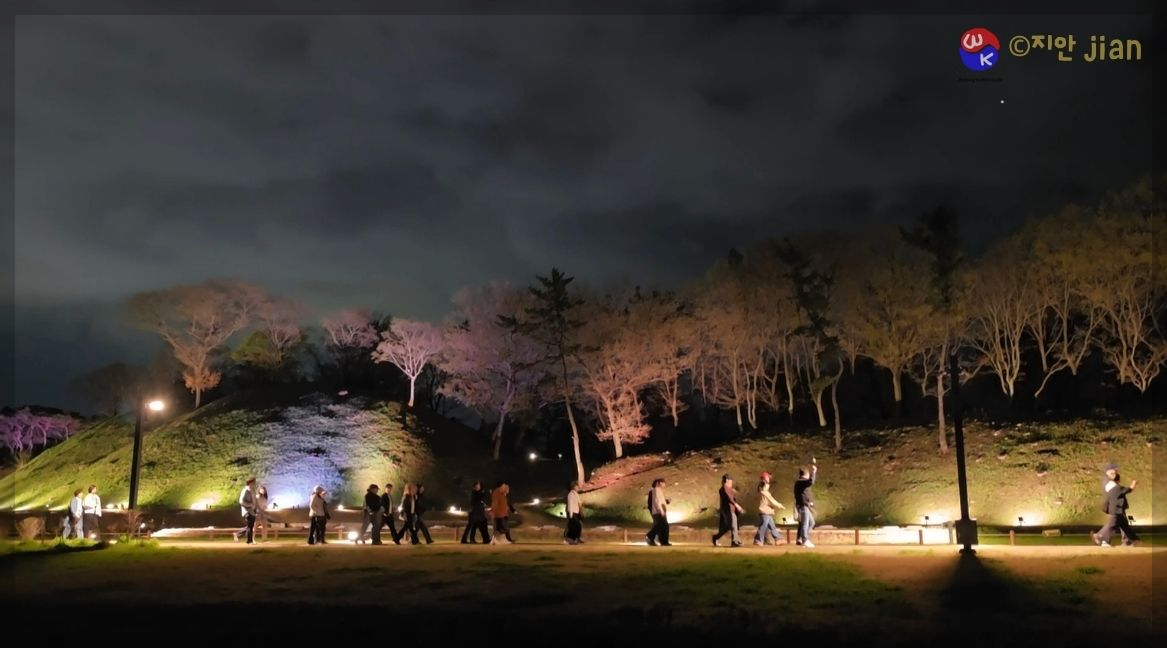
- Wolseong Palace Site _ 경주 월성
- Leaving the majestic sight of Woljeonggyo Bridge behind and heading up the hill, you’ll arrive at the open space of “Gyeongju Wolseong (Banwolseong),” which served as the heart of the Silla Kingdom for a thousand years.
- Also known as “Banwolseong” because its shape resembles a crescent moon, this site is the actual palace grounds where the kings of Silla resided, having been built during the reign of King Pasa.
- Although there are no lavishly restored buildings here, the tranquil atmosphere of the empty lot and the lush forest path lined with towering trees make this the perfect place to enjoy a contemplative stroll.
- Recommended Program (Wolseong-irang): If you sign up for “Wolseong-irang,” a regular guided tour program operated by the National Gyeongju Cultural Heritage Research Institute (bookable via Naver), you’ll hear in-depth explanations from experts and vivid stories from the actual excavation site, making your trip much more enriching.
- At night, we recommend taking a quiet stroll along the “moat”—an ancient defensive structure that encircles the fortress walls—while admiring the beautiful glow of the lights at Wolseong. You can experience a sense of tranquility, completely shielded from the noise of the city.
🚧 The Story of the Excavation and Restoration of Wolseong in Gyeongju - Systematic excavations are currently underway in the area around Wolseong in Gyeongju (Historic Site No. 16), alongside projects to improve the visitor experience. The National Gyeongju Cultural Heritage Research Institute and other organizations are steadily proceeding with the construction of research and operational facilities and the excavation of archaeological sites to uncover the true nature of the Silla capital. We are very much looking forward to seeing what other artifacts will be unearthed here and how the site will be revitalized. Even if it takes many years, we hope that this proud heritage will be fully preserved and passed on to future generations.
2) Stone Ice Storage, Gyeongju (석빙고)
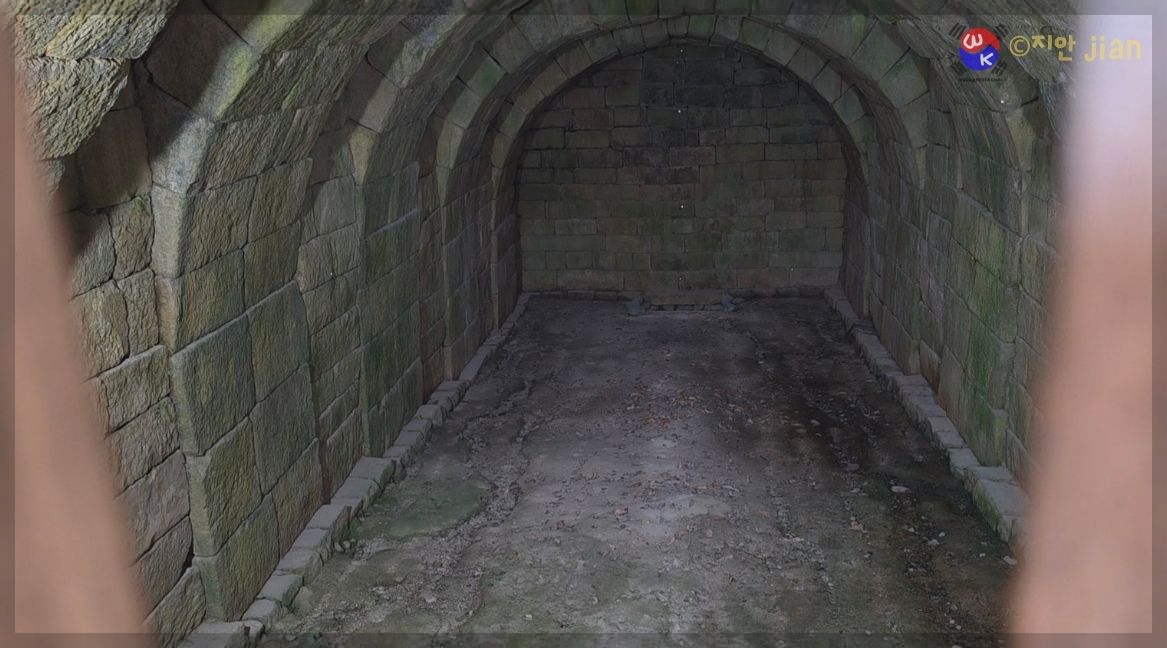
- Stone Ice Storage, Gyeongju_ 경주 석빙고(보물 제66호)
- As you walk through the center of Wolseong, you’ll come across a massive, tomb-shaped stone ice house—designated as a National Treasure—perched atop the northern watchtower.
- This is a stone ice house built during the reign of King Yeongjo of the Joseon Dynasty. Since ice was so scarce, the distribution of ice was considered such an important national event that it was strictly regulated in the *Gyeongguk Daejeon*. The Dongbinggo and Seobinggo, which were located on the north bank of the Han River in Seoul, were wooden structures and thus lacked durability; consequently, none have survived to this day. In contrast, the Gyeongju Stone Ice House was newly constructed of stone in the 14th year of King Yeongjo’s reign (1738) and still stands today. In addition to this one, there are reportedly stone ice houses in Andong, Changnyeong, Cheongdo, Hyeonpung in Dalseong, Yeongsan in Changnyeong, and Haeju.
- The Principles of the Stone Ice House—With a floor that slopes downward toward the interior to ensure proper drainage and ventilation openings in the ceiling to allow hot air to escape, this is a precious cultural heritage site that offers a glimpse into the remarkable scientific wisdom of our ancestors.
- While the Seokbinggo is renowned throughout South Korea, the viewing experience can be somewhat limited—visitors are often left with little choice but to gaze at it from a distance through a fence, which is a bit disappointing. As a world-class scientific cultural heritage site, I hope it will be enhanced with storytelling and improvements that allow visitors to go beyond simply viewing its exterior and vividly experience its intricate scientific structure, thereby elevating it to an even more distinguished status in the future.
3) Gyerim Forest _계림 (鷄林)

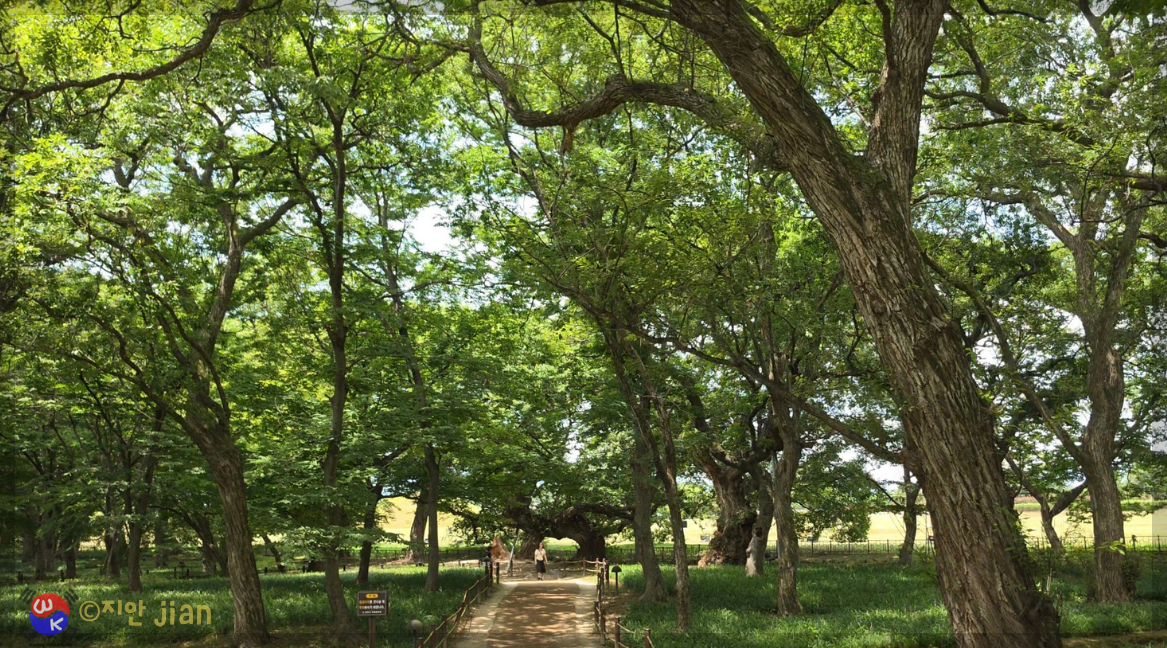
- Gyerim Forest _ 계림
- The name “Gye-rim ” derives from the meaning “the forest where a rooster crowed.” According to a mysterious legend from the reign of King Talhae of Silla, a white rooster was heard crowing in this forest. When people approached, they found a golden chest hanging there, and from within emerged a child (Kim Alji), who would later become the progenitor of the Kim clan of Gyeongju.
- It was originally called “Sirim,” but after this incident, its name was changed to Gyerim, and it also became an alternative name for Silla. ** “Sirim” means “the first forest.”
- The best walking trail where you can enjoy both history and nature while strolling under the cool shade of the trees
- A Mystical Landscape Created by Centuries-Old Trees—The first thing that catches your eye as you enter the forest is the ancient trees bearing the marks of time. Willows, zelkovas, and maples grow densely intertwined, providing pleasant shade even during the day. In particular, the sight of these twisted and gnarled ancient trees creates the illusion that you’ve stepped into a scene from a myth.
- The “Gye-rim Fortress Stele,” Erected During the Reign of King Sunjo of the Joseon Dynasty—As you walk slowly deeper into the forest, you’ll come across a small stele pavilion. This is the Gye-rim Fortress Stele in Gyeongju, erected in the third year of King Sunjo’s reign (1803). It records the legend of Kim Alji’s birth, making it a place where visitors can reflect once again on the historical significance of Gye-rim.
- A picturesque walking trail that’s beautiful in all four seasons
* Spring/Summer: The lush greenery, the rich scent of grass, and the sunlight streaming through the trees are particularly striking.
* Fall: When the leaves turn color, they blend beautifully with the ancient trees, transforming the area into one of Gyeongju’s premier spots for fall foliage.
* Winter: On snowy days, the serene atmosphere stands out, making it a beloved, peaceful spot for photography.
4) Cheomseongdae Observatory (첨성대)
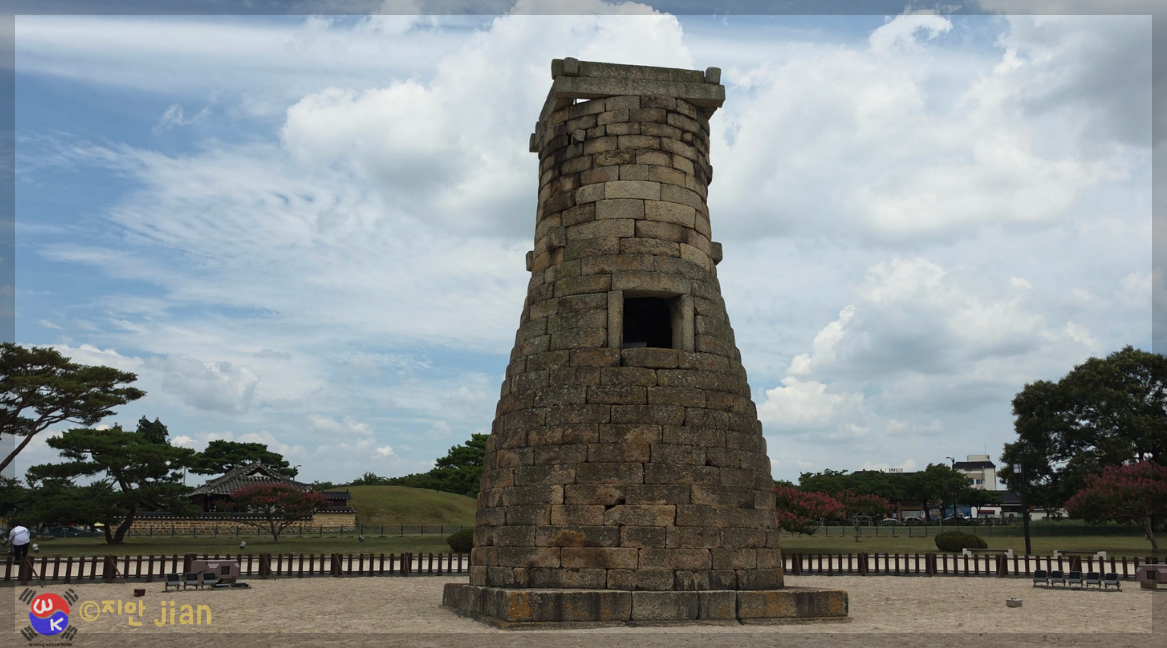
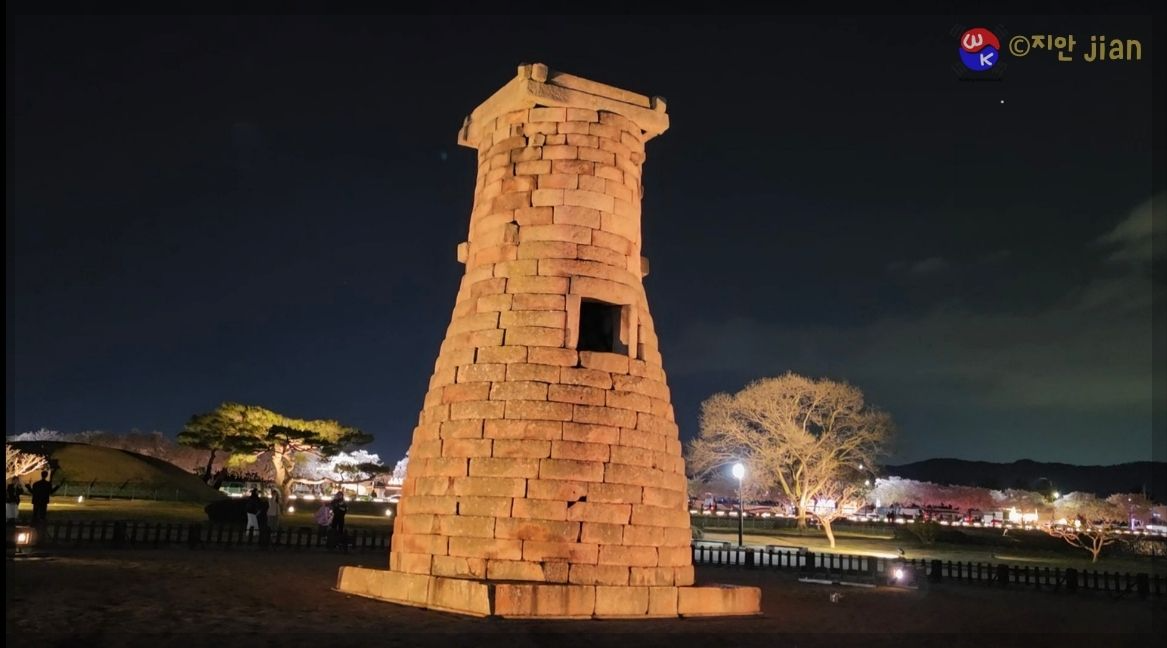
- The Oldest Observatory in the East, Cheomseongdae Observatory_첨성대
- As you make your way out along the gentle ridgeline of Wolseong, Cheomseongdae—the eternal symbol of Gyeongju—stands tall beyond the expansive lawn. Naturally situated along the path from Wolseong to Donggung Palace and Wolji Pond, it is the perfect spot to admire the stars in the night sky.
- During the day, it’s the perfect spot to take refreshing photos against the backdrop of the blue sky and the vibrant flower beds surrounding the area, and as the sun sets, subtle landscape lighting comes on to create an elegant and mysterious night view.
- Built during the reign of Queen Seondeok of Silla, Cheomseongdae has stood firm in its place for nearly 1,400 years, silently withstanding massive earthquakes.
- The number of stones that make up Cheomseongdae (approximately 365) symbolizes the number of days in a year, while the 27 tiers of stones symbolize Queen Seondeok (the 27th monarch). The 12 tiers above and below the central window also represent the 12 months and the 24 solar terms. When you think about it, the number of each and every stone embodies the universe.
- Three Secrets of Cheomseongdae’s Earthquake-Resistant Design That Has Endured for a Millennium -
1. A “tumbler structure” with a low center of gravity,
2. The “bibimbap structure” that absorbs seismic shocks (flexibility) – Because the hewn stones are stacked in precise interlocking patterns, when an earthquake strikes, the stones shake slightly and independently, dissipating the massive vibrational energy of the earthquake outward through friction,
3. “Internal bracing stones” that firmly hold the interior together—if you look inside, you’ll see long stones laid in a staggered “well” (井) pattern on the walls of the 19th and 25th tiers. These stones served as bracing supports, firmly holding the outer circular fortress wall in place to prevent it from bursting outward. - A landscape that changes with the seasons: Every season, a vast wildflower garden blooms around Cheomseongdae. In spring, rapeseed flowers and poppies bloom; in summer, hydrangeas and sunflowers; and in fall, pink muhly grass and cosmos. No matter when you visit throughout the year, you’re guaranteed to capture a new, memorable photo.
- There was a time when it felt a bit disappointing that, given its fame, only Cheomseongdae stood there all alone. However, today that empty space actually conveys a deep sense of authenticity. It is a treasure made perfect by its very existence; any further embellishments or flashy adornments would simply be superfluous. Cheomseongdae teaches us the importance of preserving its value just as it is, and why we must exercise the utmost caution when daring to create something new.
- “In 2016, even amid the terror of the Gyeongju earthquake that violently shook the earth, Cheomseongdae stood its ground steadfastly. Without any ornate embellishments, it absorbed a thousand years of tremors with nothing but the weight of stone and earth—a quiet, unassuming sturdiness. That steadfast presence, standing tall while bearing the brunt of even the harshest storms and earthquakes, is, I believe, the greatest expression of Cheomseongdae’s true character.”
C. A Thousand-Year-Old Night Reflected in the Water: Donggung Palace and Wolji
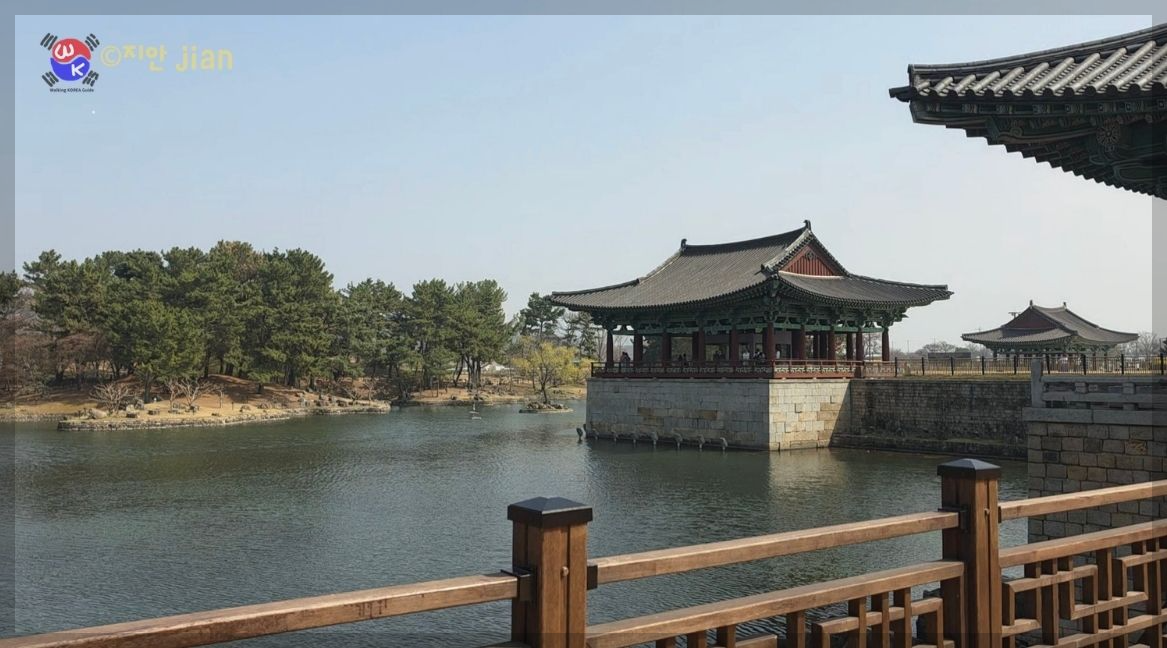
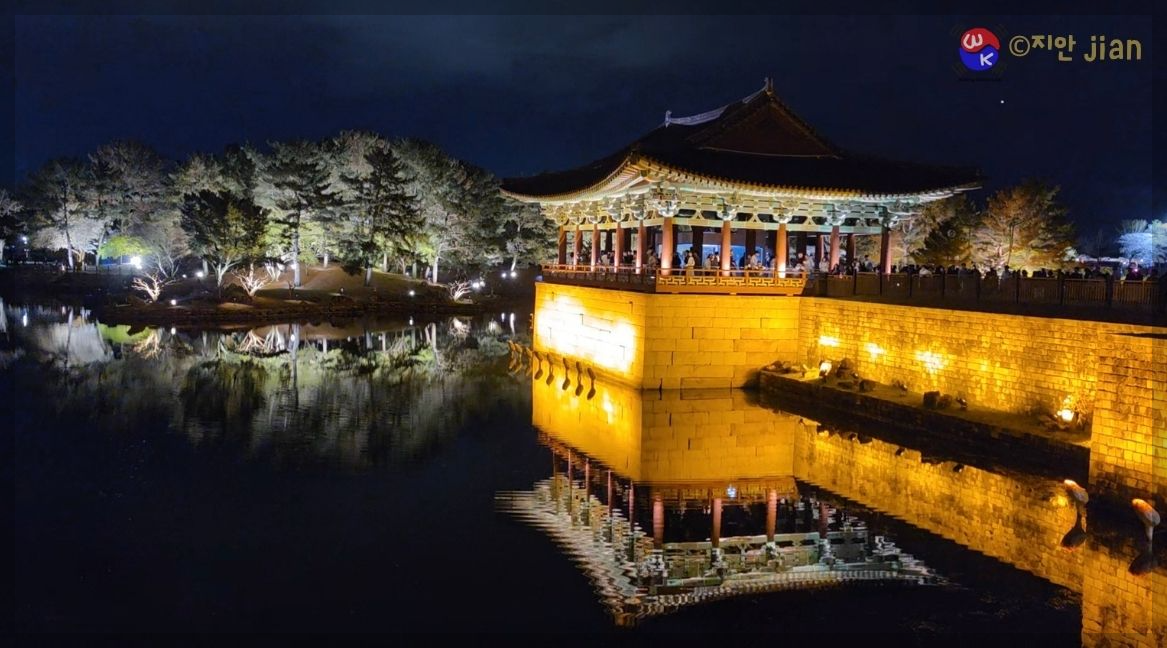
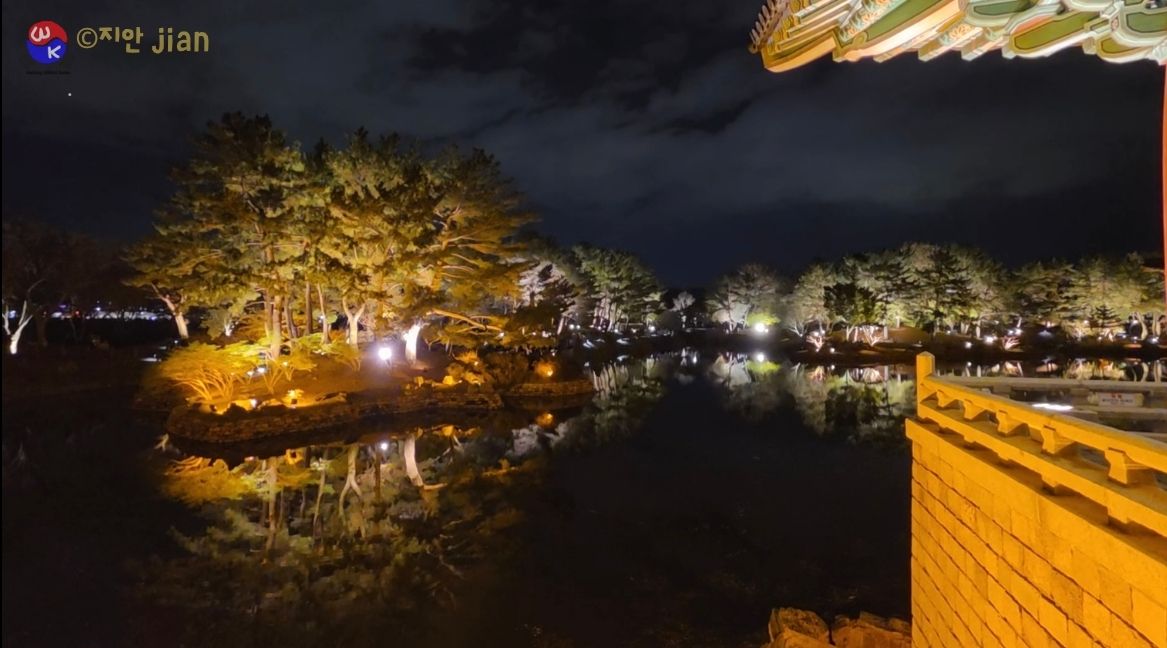
- Donggung Palace and Wolji Pond _ 동궁과 월지
- The place where you can end your day in Gyeongju in the most romantic and spectacular way is none other than “Donggung and Wolji,” Gyeongju’s premier night view spot.
- Since the Joseon Dynasty, wild geese and ducks have flown into this pond—which had long been in ruins—and because it has been known as “Anapji” for so long, people are still familiar with that name.
- Built during the reign of King Munmu of Silla, this was a secondary palace of the Silla royal court, featuring the “East Palace,” where the crown prince resided, and “Wolji,” a beautiful pond where royal banquets were held.
- The discovery of a pottery shard inscribed with the characters for “Wolji” at this site led to the rediscovery of its original name, “Donggung and Wolji.”
- This is where the Silla royal family held banquets to welcome distinguished guests. The “Juryeonggu”—a polyhedral die from the Silla period unearthed here—bears amusing penalties such as “dance silently” and “drink three cups of wine without showing emotion,” evoking the image of laughter from those who enjoyed the arts here a thousand years ago.
- The harmony between the three beautifully restored pavilions and Wolji Pond—which lives up to its name, “Moonlit Pond”—is breathtakingly beautiful. The reflection of the golden pavilions is so enchanting that words cannot do it justice; you’ll find it hard to stop pressing the camera shutter as you gaze upon this scene where the real world and the world beneath the water mirror each other.
- Silla’s landscaping techniques were truly ingenious; the pond was designed so that, no matter where one stood, the entire expanse of the pond could not be taken in at a single glance. This is a striking example of the aesthetic vision of Silla’s master architects, who sought to make a narrow pond feel as vast and boundless as the ocean. In fact, the *Samguk Sagi* records that the East Palace was called “Imhaejeon,” and the road leading to the site of Hwangnyongsa Temple—located east of the East Palace—is named “Imhae-ro.” This offers a glimpse into the broad worldview of the Silla people, who aspired to reach out toward the sea.
- Take a leisurely stroll along the gently sloping path that winds around the edge of the pond, illuminated by soft lighting, while chatting with your companions. As you admire the palace’s night view perfectly reflected on the water’s surface, like a mirror image, you’ll truly feel with every fiber of your being why this place is considered one of South Korea’s top night view spots.
[Visitor Information: Admission Fees, Parking, Hours of Operation, Travel Tips]
| Gyochon Village and Woljeong Bridge | Wolseong, the Stone Ice House, Gyerim, and Cheomseongdae | Donggung and Wolji | |
| 💰 Admission Fee | Free | Free | Admission: Adults 3,000 won / Teens 2,000 won / Children 1,000 won |
| 🅿 Parking | Woljeonggyo Public Parking Lot (Free, 153-5 Gyodong, Gyeongju) | We recommend using the Daereungwon Public Parking Lot or the Donggung and Wolji Parking Lot. | Donggung and Wolji Dedicated Parking Lot (Free; as it is often full on weekends and during peak seasons, we recommend using the nearby museum parking lot or temporary parking lots) |
| ⏰ Hours of Operation | Woljeonggyo Bridge Visiting Hours: 9:00 a.m. – 10:00 p.m. (Nighttime lighting turns on after sunset) | Open year-round (24-hour facility) | Hours: 9:00 AM – 10:00 PM (※ Ticket sales and admission close at 9:30 PM) |
| 💡 Travel Tips | 📸 View of Woljeonggyo Bridge straight ahead from the middle of the stepping stones | 💡 Wolseong’s Unique Healing Spot—Lush Tree Shade and a Path for Contemplation | It's beautiful during the day, but if you can only visit once, I recommend going at night. |
💡 Here is some practical information you should definitely check before your visit to ensure a safer and more comfortable experience. In particular, since Donggung Palace and Wolji Pond tend to get very crowded at night, be sure to check the ticket sales closing time carefully.
[ Information on Local Restaurants ]
| Business Name | 🍴 Signature Dishes | 📍 Location | ⏰1 Business Hours | 📞 Contact Information |
| Gyeongju Original Soybean Soup (경조원조콩국) |
🍴 Warm soybean soup, soft tofu stew, and fresh vegetable pancakes | 📍 113 Cheomseong-ro, Gyeongju (Hwangnam-dong) | ⏰1 9:00 AM–7:15 PM (May close early if supplies run out) *Break Time 10:30 AM–11:30 AM 4:30 PM–5:30 PM |
📞 054-743-9644 |
| Yoseokgung(요석궁) | 🍴 Traditional Korean Set Meal (Gye-rim Course, Banwol Course, Anapji/Yoseok Course) |
📍 19-4 Gyochon-an-gil, Gyeongju | ⏰1 12:00 PM–9:00 PM *Break Time 4:00 PM–5:30 PM * Closed every Tuesday |
📞 054-772-3347 |
| EAST 1779 (이스트 1779) | 🍴 Salted Monaka Ice Cream Drip Coffee |
📍 21 Gyochon-an-gil, Gyeongju | ⏰1 11:00 a.m.–9:00 p.m. *Closed every Tuesday |
📞 054-620-1779 |
💡 Here are some great restaurants and cafes to visit near the tour route. Since there are no restaurants or cafes near Wolseong and Donggung and Wolji, be sure to check out options around Gyochon Village or Cheomseongdae in advance.
💡 Yoseokgung: If you’re looking for a meal that’s a little more special and makes you feel pampered, we recommend this restaurant specializing in traditional Korean set meals. While the prices are on the higher side, you can elegantly enjoy traditional dishes passed down from Gyeongju’s wealthiest family in a private room within a historic hanok, making it perfect for a filial piety trip with your parents or a special meal with someone dear to you.
💡 EAST 1779: This is a stylish, modern, and spacious café located near Gyocheon Village. Set against the backdrop of a traditional hanok village, its sophisticated red-brick interior offers a striking contrast that adds a unique charm. The sweet and savory “Salted Monaka Ice Cream,” the café’s signature dish, paired with its richly flavored drip coffee, makes for the perfect dessert to cool off and recharge after a long walk.
💡 I’ll continue to visit and add more great restaurants to this list.
[In Closing: From Serene Hanok Alleys to the Golden Night Views of Silla]
Today’s itinerary takes you on a journey that follows the very same path that the people of Silla may have walked a thousand years ago.
It’s an exciting trip to Gyeongju where you can lose yourself in contemplation while strolling through the tranquil alleys lined with traditional hanok houses by day, and marvel at the Silla palaces, brilliantly brought back to life by dazzling lights at night.
Why not set aside your busy daily routine for a moment, feel the cool breeze on your face, and explore Gyeongju’s day and night—which hold a thousand years of history—on foot? It will surely become a warm memory that stays with you for a long time. We’ll be back soon with more enriching and inspiring travel tips.